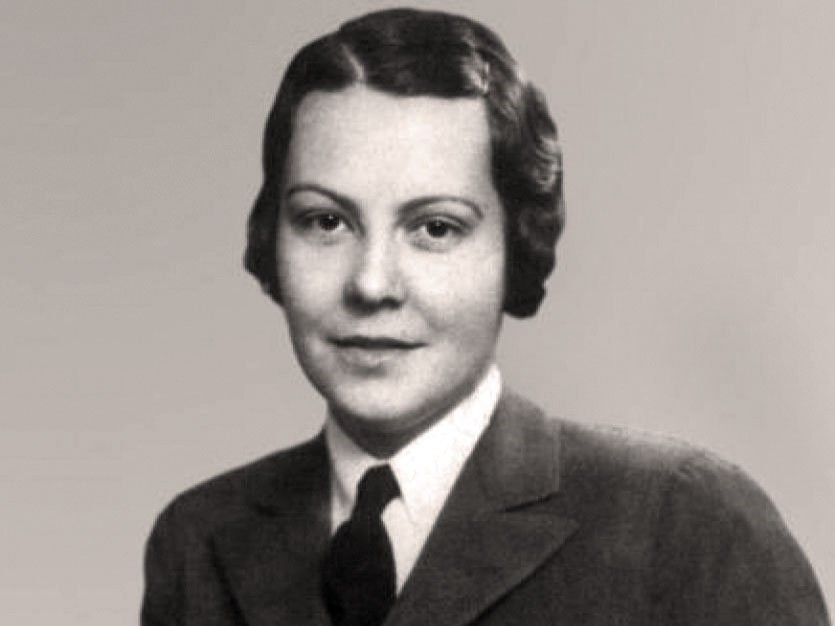
Sabiha Gökçen’s life is a story of a young girl who didn’t just reach for the stars—she decided to fly among them.
Born on March 22, 1913, Sabiha was the daughter of Mustafa İzzet Bey and Hayriye Hanım. Her family roots were Bosniak (originating from the Sandžak region), and they had settled in Bursa after her father, a former government clerk, retired.
She is recognized as the first female combat pilot by The Guinness Book of World Records and was selected as the only female pilot for the poster of “The 20 Greatest Aviators in History” published by the United States Air Force in 1996.
Sabiha Gökçen International Airport, the second airport in Istanbul, is named after her.
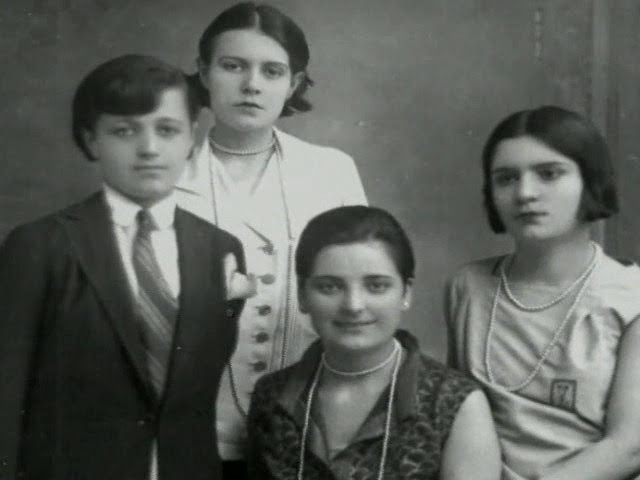
Left to right: Rukiye (Erkin), Sabiha (Gökçen), Afet (İnan), and Zehra Aylin
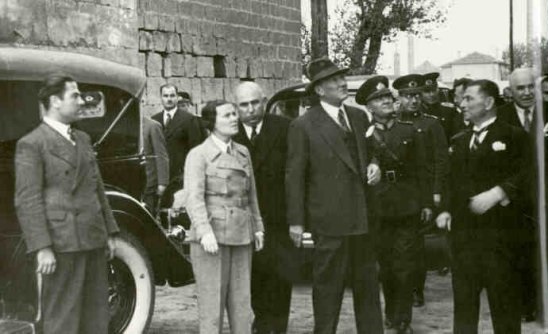
According to official Turkish sources and interviews with Sabiha Gökçen, she was the daughter of Mustafa Izzet Bey and Hayriye Hanım, both of whom were of Bosniak ancestry. During Atatürk’s visit to Bursa in 1925, Sabiha, who was only twelve years old, asked for permission to talk with Atatürk and expressed her wish to study at a boarding school. After hearing her story and about her miserable living conditions, Atatürk decided to adopt her and asked her brother for permission to take her to the Çankaya Presidential Residence in Ankara, where Sabiha would live with Atatürk’s other adoptive daughters, Zehra, Afet and Rukiye. Gökçen attended the Çankaya Primary School in Ankara and the Üsküdar American Academy in Istanbul.
After the introduction of the Surname Law, Atatürk gave her the family name Gökçen on 19 December 1934. ‘Gök’ means sky in Turkish and Gökçen means ‘belonging or relating to the sky’. However, she was not an aviator at that time, and it was only six months later that Sabiha developed a passion for flying.
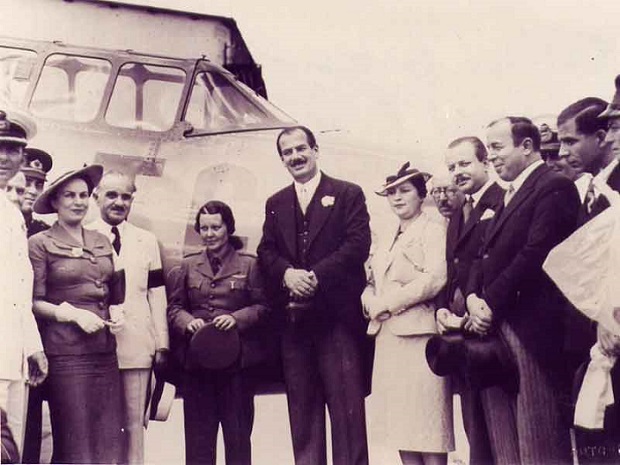
Sabiha Gökçen in Athens, during her 1938 Balkan tour
Atatürk attached great importance to aviation and for that purpose oversaw the foundation of the Turkish Aeronautical Association in 1925. He took Sabiha along with him to the opening ceremony of Türkkuşu (Turkish Bird) Flight School on 5 May 1935. During the airshow of gliders and parachutists invited from foreign countries, she got very excited. As Atatürk asked her whether she would also want to become a skydiver, she nodded, “yes indeed, I am ready right now”. Atatürk instructed Fuat Bulca, the head of the school, to enroll her as the first female trainee. She was meant to become a skydiver, but she was much more interested in flying, so she earned her pilot’s licence. Gökçen, together with seven male students, was sent to Crimea, Soviet Union for an advanced course in glider and powered aircraft piloting. However, when she was in Moscow, she learned the news that her sister Zehra had died, and with collapsed morale, she immediately returned to Turkey, isolating herself from social activities for some time.
After a while, at Atatürk’s insistence, Gökçen began working again. At Eskişehir Aviation School, she received special flight training from Savmi Uçan and Muhittin Bey. She began flying a motorized aircraft for the first time on February 25, 1936.
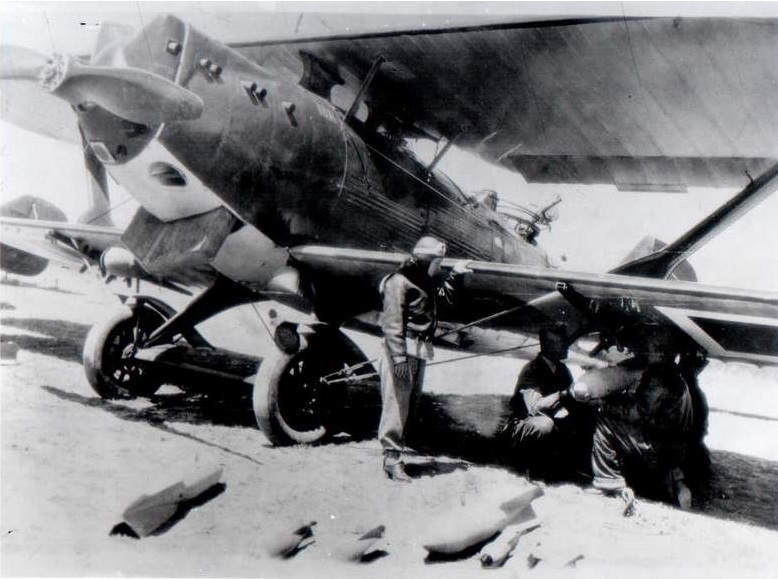
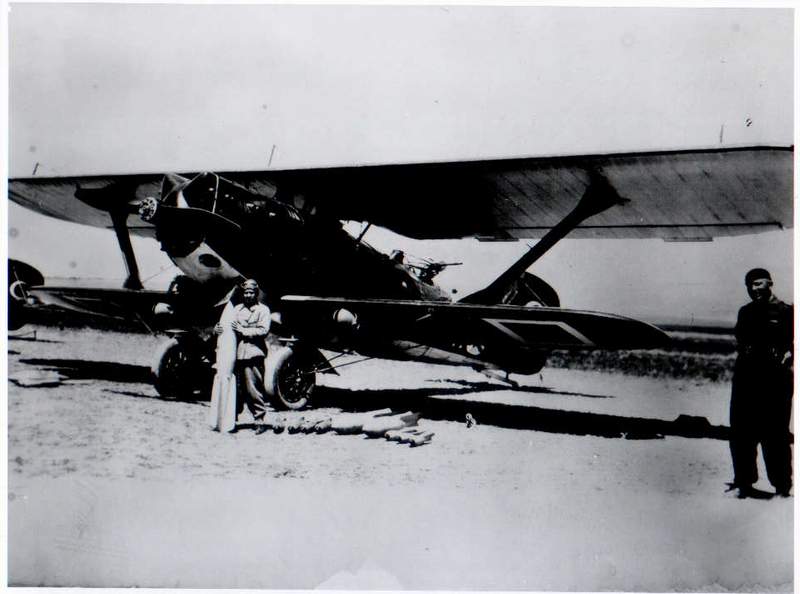
Gökçen, due to the success in flight training, Ataturk himself said: “You’ve made me very happy … Now I can explain what I have planned for you … Perhaps you’ll be the first woman military pilot in the world … For the world’s first military woman pilot to be of Turkish descent would be a proud event, you can imagine, right? Now I will act immediately and send you to Tayyare School in Eskişehir. You will receive a special education there”.
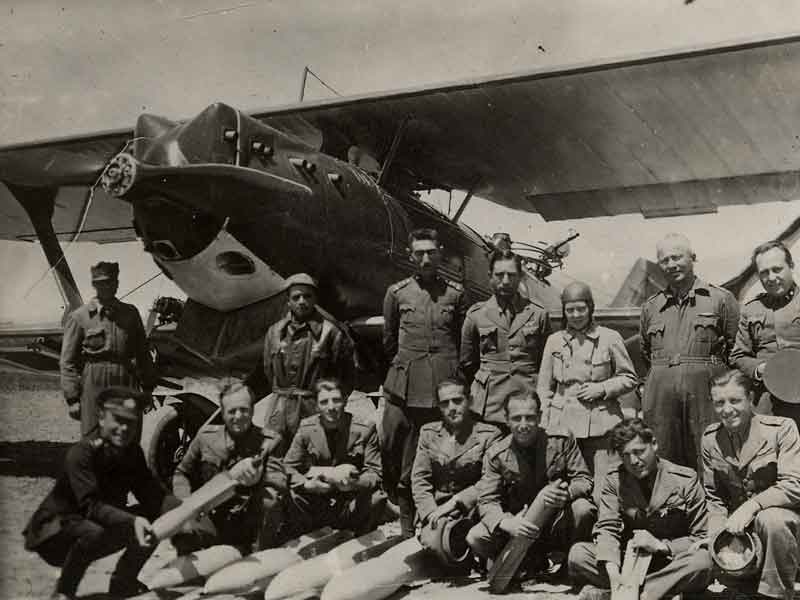
Sabiha Gökçen and her colleagues in front of a Bréguet 19
As girls were not being accepted by the Turkish War Academies in those years, Gökçen was provided, on Atatürk’s orders, with a personalized uniform, and attended a special education programme of eleven months at the Tayyare Mektebi (Aviation School) in Eskişehir in the academic year 1936–1937. After receiving her flight patents (diploma) she trained to become a war pilot at the 1st Airplane Regiment in Eskişehir for six months.
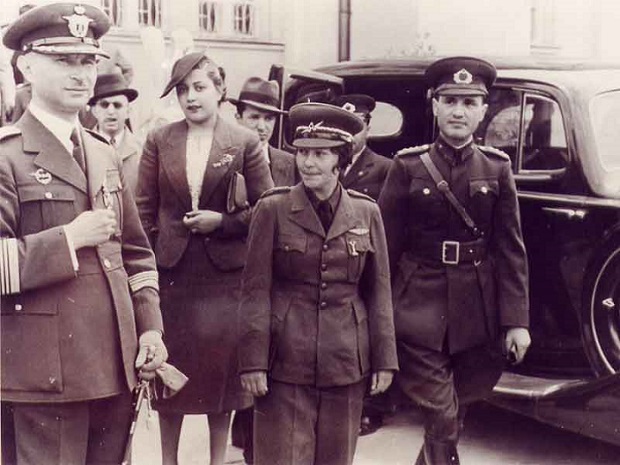
She improved her skills by flying bomber and fighter planes at the 1st Aircraft Regiment in Eskişehir Airbase and gained experience after participating in the Aegean and Thrace exercises in 1937. In that same year, she took part in military operations during the Dersim Massacre and became the first Turkish female air force combat pilot. Turkish planes flew numerous sorties against the Dersim people during the military operation. A report of the General Staff mentioned the “serious damage” that had been caused by her 50 kg bomb upon a group of what the Turkish government referred to as rebels. In 1938, she carried out a five-day flight around the Balkan countries to great acclaim. In the same year, she was appointed chief trainer of the Türkkuşu Flight School of the Turkish Aeronautical Association, where she served until 1954 as a flight instructor and became a member of the association’s executive board. She trained four female aviators: Edibe Subaşı, Yıldız Uçman, Sahavet Karapas and Nezihe Viranyalı. Gökçen flew around the world for a period of 28 years until 1964. Her book entitled A Life Along the Path of Atatürk was published in 1981 by the Turkish Aeronautical Association to commemorate Atatürk’s 100th birthday.
The Final Flight
Sabiha Gökçen passed away in 2001, on her birthday, March 22nd. Today, millions of people land and take off from the international airport in Istanbul that bears her name. Every time a plane lifts off from those runways, the legacy of the orphan who asked for an education and received the sky continues to soar.
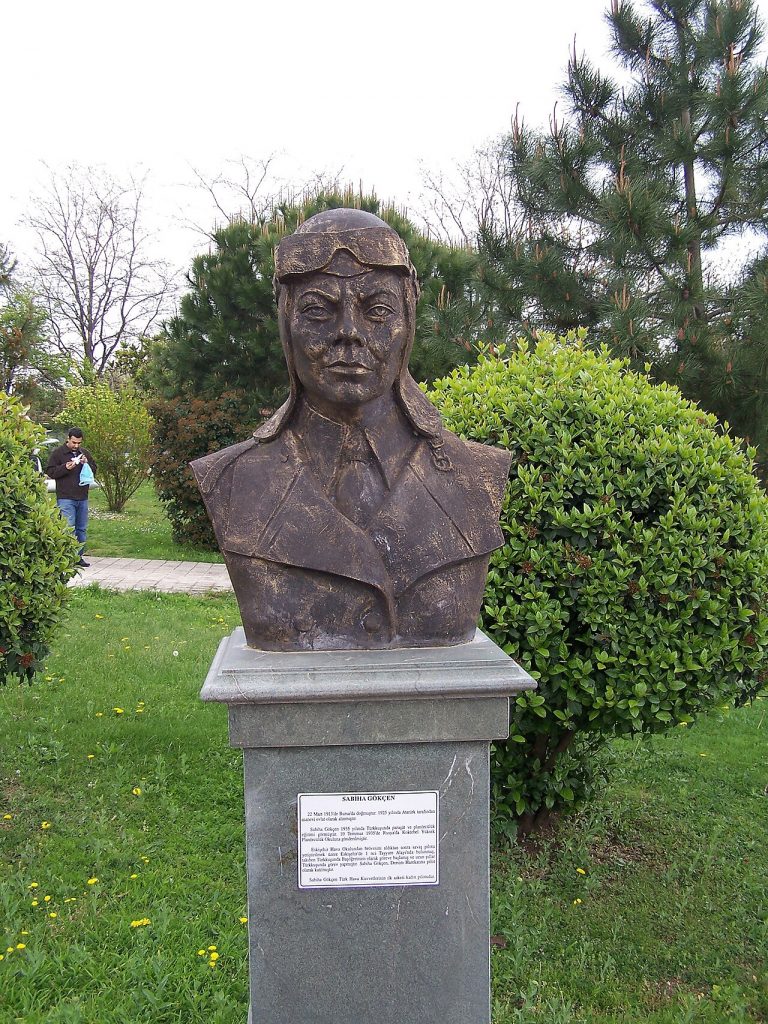
Sabiha_Gokcens_bust_in_Istanbul_Aviation_Museum